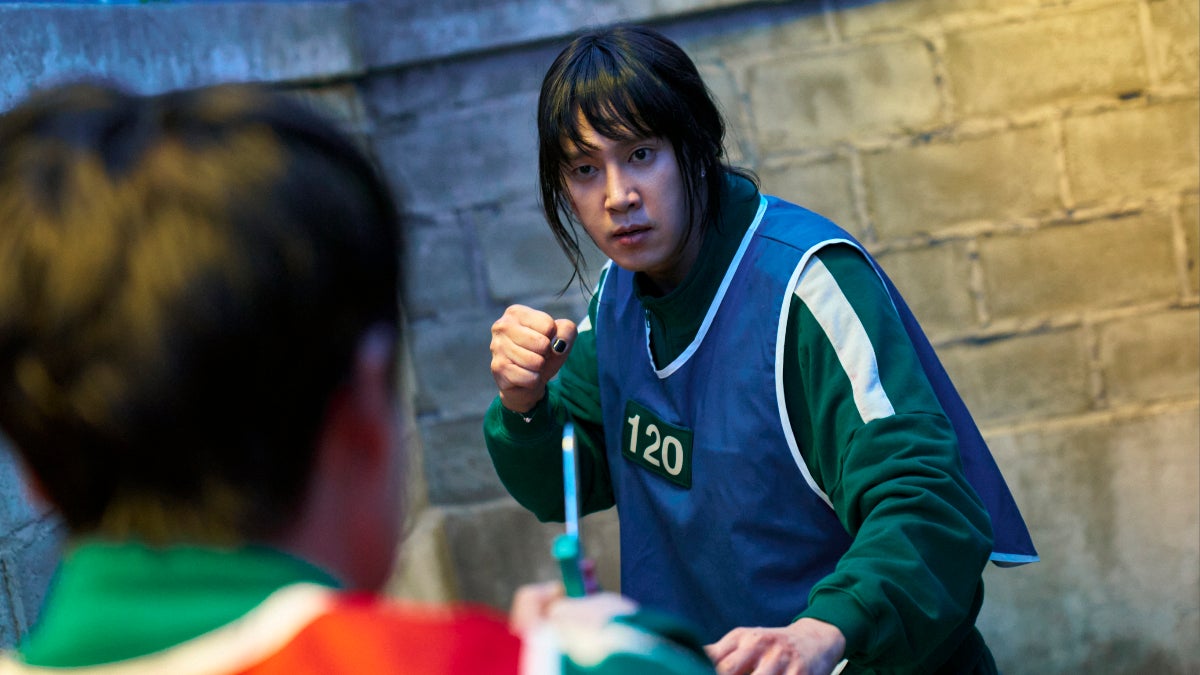
Transgender representation on television has plummeted by nearly 80%, according to GLAAD’s latest “Where We Are on TV” report. Out of 369 LGBTQ+ characters counted across the 2025–2026 broadcast, cable, and streaming landscape, only seven were transgender—and none of those seven are slated to return for the upcoming season.
The sharp decline leaves an already small group of characters facing complete erasure from returning series. Three of the seven characters appeared on shows that have either concluded or been canceled: The Family Law, Community Squad, and Squid Game. The remaining four were featured in Netflix limited series—The Dead Girls, Monster: The Ed Gein Story, Unspeakable Sins, and Wayward—meaning their storylines were never designed to continue into future seasons.
A Broader Pullback in Queer Storytelling
The drop in transgender visibility coincides with a wider contraction in LGBTQ+ representation across the industry. GLAAD tracked 369 LGBTQ+ characters overall this season, marking a 25% decrease from the 489 characters counted the previous year.
Intersectionality within queer representation also hit a notable low. Only 44% of LGBTQ+ characters on television were people of color, down from 51% the prior year. The figure marks an eight-year low and falls short of GLAAD’s long-standing benchmark urging networks and streamers to ensure that at least half of all queer characters are people of color.
While the overall decline was slightly less severe than GLAAD’s 2025 forecast—which projected that 41% of queer characters would not return due to cancellations, exits, or character deaths—the total disappearance of returning trans characters highlights a stark vulnerability in how these stories are greenlit and sustained.
Politics, Casting, and Industry Hesitation
Raina Deerwater, GLAAD’s Associate Director of Entertainment Research and Analysis, pointed to sustained anti-trans political rhetoric as a primary driver behind the industry's retreat. However, she suggested that recent midterm election results—in which several Republican candidates who campaigned heavily on anti-trans messaging suffered significant losses—indicate that voters are growing weary of those attacks.
“A bunch of these Republican candidates released these super awful anti-trans ads. That was the platform they were running on and they lost, and they lost by a lot,” Deerwater said. “The people are speaking … it’s just a matter of making sure that the right people are listening.”
Public reaction to the report reflects deep skepticism about whether political shifts will quickly translate into better representation, alongside frustration over how Hollywood handles both writing and casting for trans roles. One viewer questioned whether electoral gains would undo the cultural impact of recent political campaigns, writing:
"On one hand, I wonder how the blue wave will affect trans inclusion in media in the future but on the other hand, I do think the trans people in sports issue has unfortunately soured their perception for a significant amount of the general public, regardless of political party."
Others argued that anti-trans ballot measures and political messaging have had a lasting effect regardless of party affiliation, with one person noting, "I think we’re in a time where trans people are being forced out of public life one step at a time." Another observer echoed the sentiment that the political focus on trans issues has outpaced reality: "The government’s focus for the last two years has been harassing like 10 trans collegiate athletes, passing laws related to their existence, and just in general pretending it’s an issue. It’s not. It’s not an issue."
Beyond politics, audiences also debated the practical hurdles of casting and writing. Some pointed out that studios seem hesitant to cast lesser-known trans actors or to write trans characters whose identities are not the sole focus of their storylines. "They are also afraid to have teans people play just regular roles. Not every part a trans actor gets needs to be "look at me im trans" but thats all they seem to get. Let them have othet roles ffs," one viewer remarked. Another added that studios often prefer avoiding trans characters altogether rather than taking a chance on emerging talent: "there ARE tons of trans actors, they're just not big names, and studios aren't going to allow that, so their preferred option is just to not have trans characters at all."
The Business Case for Inclusion
Despite executives pulling back on queer and trans programming, GLAAD’s findings suggest that audiences—particularly younger viewers—actively seek out these stories. According to the report, Gen Z viewers are 61% more likely than the average American to discuss television on social media and 55% more likely to talk about programming with friends, driving organic word-of-mouth momentum.
Recent streaming hits illustrate that appetite. Netflix’s The Hunting Wives doubled its viewership in its second week to top the platform's charts, while the Crave and HBO Max series Heated Rivalry became HBO Max’s most-watched acquired scripted series ever, peaking at 52 times average audience demand.
GLAAD President and CEO Sarah Kate Ellis warned that cutting LGBTQ+ storylines while audience demand is climbing is a “bad business decision.” Deerwater echoed that sentiment, noting that executives often draw the wrong conclusions from breakout successes.
“It’s so funny that ‘Heated Rivalry’ came out — huge hit — and everyone’s like, ‘I know what we need: more hockey,’ ” Deerwater said. “I’m going to go out on a limb and say maybe the hockey wasn’t the big thing why people liked the show.”
To reverse the downward trend, Deerwater urged cisgender and straight decision-makers in Hollywood to actively use their influence to back transgender creators and performers. While GLAAD’s annual count only tracks series that have already aired—leaving room for unannounced or upcoming projects to introduce new characters—the current numbers leave television heading into next season with virtually no returning transgender presence on screen.

